Justice that appears somewhat different
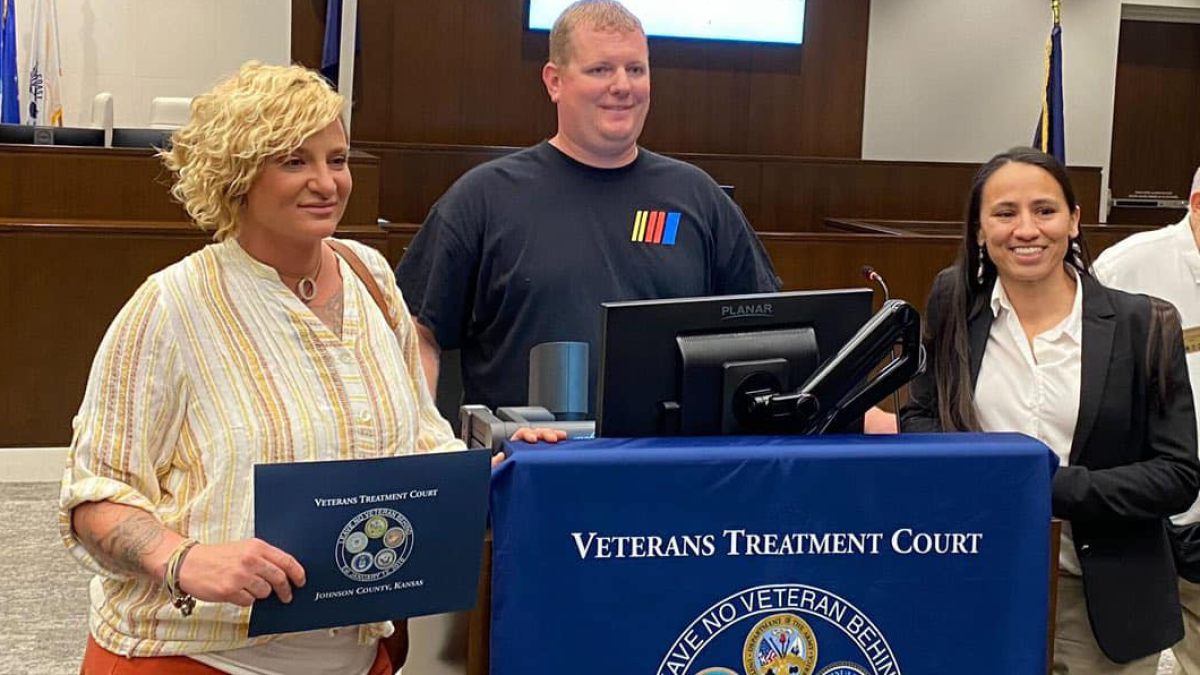
Justice does not always take the form of a legal battle. It can appear as structure, assistance, and second chances at times. The Kansas City Veterans Court is based on this concept. It is a component of the larger Kansas City Specialty Courts system, which has the straightforward objective of assisting individuals in resolving underlying issues rather than merely punishing errors. Veterans frequently carry burdens that are invisible to others. trauma. tension. injuries. Some use drugs or alcohol. Some find it difficult to adapt to civilian life. A typical court procedure may overlook the wider picture when that results in legal issues. Veterans Court seeks to consider the full individual.
What exactly is a Veterans Court, then?
Consider it a court for addressing problems. Just wiser, not softer.
The court creates a strategy rather than imposing punishment right away. That strategy could consist of:
- Treatment for mental health
- Support for substance abuse
- Frequent check-ins with the court
- Peer guidance from other veterans
- Assistance with employment or housing
It is both human and structured. Strict guidelines must be adhered to the participants. There are repercussions when you miss steps. However, if the objectives are met, the result could be transformative.
Why this was necessary for Kansas City
There is a vibrant veteran community in Kansas City. Many fought in wars like Afghanistan and Iraq. Some experienced a seamless transition upon returning home. Some didn’t. The problem is that traditional courts weren’t designed to fill that void. It is filled by the Veterans Court. This goal is supported by groups like Beyond the Bench KC. They emphasize community support and awareness of these initiatives. Their view is straightforward: true justice entails addressing the root source of the problem. It goes beyond the law. It has to do with people.
How the procedure operates (step by step)
Let me explain it simply.
1. Enrollment in the program
Veterans must qualify. This typically indicates a non-violent offense and a connection between the charge and service-related problems.
2. Evaluation
The court team considers personal needs, substance abuse, and mental health.
3. A personalized strategy
Every case has a unique appearance. Every member receives a plan tailored to their circumstances.
4. Frequent court appearances
This hearing is not a one-time event. Participants come back frequently. The judge keeps a careful eye on developments.
5. Guidance
Here, other veterans take over. This is more important than most people realize. Trust is quickly developed via shared experience.
6. Graduation
If you successfully finish the program, your charges can be lowered or possibly waived. Easy to understand on paper. difficult to practice. but worthwhile.
Who is eligible?
Not every situation is suitable. It’s critical to comprehend that.
Typical elements consist of:
- History of military duty
- A connection between existing fees and services
- Willingness to dedicate oneself to the program
- Typically, non-violent crimes
Every case is thoroughly examined. No one-size-fits-all approach exists.
Is it genuinely effective?
A succinct response? Yes, most of the time. Repeat crime rates are lower in Veterans Courts in the United States. Individuals maintain sobriety for longer. They mend their relationships. For the first time in years, some even find steady employment.
Why?
since the method addresses causes rather than just symptoms. Addiction and trauma are rarely resolved by punishment alone. Together, accountability, structure, and support? That is a separate matter.
An approach to responsibility that is human
This is when things start to get interesting. Veterans Court is not “simple.” Some even claim that it’s more difficult than ordinary court.
Participants need to:
- Participate in regular sessions
- Pass drug tests
- Adhere to treatment regimens
- Continue to be responsible every week.
Errors occur. The court reacts, though not necessarily with severe punishments. It’s a reset at times. tighter regulations at times. It’s fair but firm.
The function of community assistance
These kinds of programs don’t just operate on courts.
Organizations like as Beyond the Bench KC intervene in:
- Increase consciousness
- Increase public confidence
- Encourage sustained success
They assist individuals in realizing that justice can be both sympathetic and strict. To be honest, that balance is uncommon.
Why this is more important than you may realize
What do you know? Veterans are not the only ones affected. It has to do with how we define justice. Do we correct the cause of the behavior or punish it? Veterans Court tends to favor the second option. Not flawlessly, not necessarily seamlessly—but with purpose. And that change is important.
Concluding remarks (being honest)
The ability of the legal system to change is demonstrated by Kansas City Veterans Court. It is able to hear. It is subject to change. Not every case will be successful. That is the truth. But a lot of people do. When they do, families recover, communities stabilize, and people’s lives return to normal. Soft justice is not what that is. Effective justice is what that is.
FAQs, or frequently asked questions
- What distinguishes Veterans Court from ordinary courts?
Veterans Court prioritizes rehabilitation and treatment above punishment. It examines trauma associated with service, addiction, and mental health. Typically, regular courts don’t delve that far.
- Do veterans who enroll in the program avoid going to jail?
Not all the time. Some might still be penalized. However, successful completion may result in a reduction or dismissal of charges. Rehabilitation, not automatic avoidance of repercussions, is the aim.
- What is the duration of the program?
The majority of programs last between 12 and 24 months. The individual’s demands and growth will determine this. Some people move more quickly. Others require more time.
- Is participation in the program optional?
Indeed. Veterans must consent to participate and abide by the regulations. It demands dedication. The program won’t function without it.
- Is it possible for any veteran to apply to Veterans Court?
No. The offense, service record, and individual circumstances all affect eligibility. Before being accepted, each case is examined separately.
Endnote
Examine the work of community partners like Beyond the Bench KC and Kansas City Specialty Courts to find out more about how these initiatives function locally. One case at a time, they are contributing to the transformation of justice.