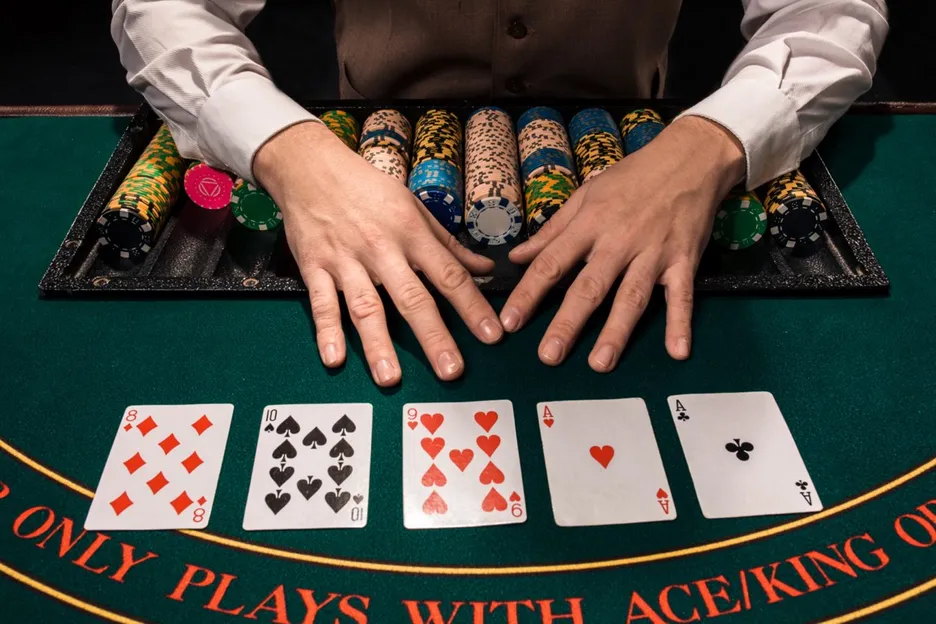
Learning how to play flush turns after check-raising is an important skill for any poker player who wants to stay ahead of the competition. Check-raising is already an aggressive and advanced move, but the real challenge begins when the turn completes a flush. At that point, ranges shift, pressure increases, and one wrong decision can cost you a big pot.
This situation comes up often in both cash games and tournaments, especially in online and Free Poker environments where players love to chase draws. Understanding how to react when a flush card hits the turn will help you protect your stack, maximize value when ahead, and avoid costly mistakes.
Why the Flush Turn Changes Everything
When you check-raise the flop, you usually represent strength. That strength might come from a made hand, a strong draw, or a balanced mix of both. Once the turn completes a flush, however, the board texture changes dramatically.
Flush turns introduce new threats. Hands that were drawing on the flop may now be ahead, while one-pair or two-pair hands lose value. Because of this, both players must rethink their strategy rather than continue on autopilot.
Assess Your Own Hand First
Before worrying about your opponent, take an honest look at your own holding. Your response to a flush turn depends heavily on what kind of hand you have.
- Made flush: You now have a strong value hand and should focus on extracting chips.
- Set or two pair: These hands may still be good but are no longer invincible.
- Top pair or overpair: These hands often move into bluff-catcher territory.
- Missed draw: Your hand may now have very little showdown value.
Being realistic about your hand strength helps prevent emotional or stubborn decisions.
Understand Your Opponent’s Range
After you check-raised the flop and got called, your opponent’s range often contains draws, medium-strength hands, and some traps. When the flush card arrives on the turn, many of those draws complete.
Ask yourself a few key questions:
- Would my opponent call the flop check-raise with a flush draw?
- How many flush combinations are realistically in their range?
- Would they continue aggressively with a made flush?
Against players who love chasing draws, you should assume flushes are possible. Against tighter opponents, the flush card may scare them just as much as it scares you.
When to Continue Betting the Turn
Betting the turn on Poker Now after a flush completes is not always a mistake. In some situations, it is the correct play.
You should consider betting when:
- You have a strong flush and want value.
- You hold a blocker to the flush suit.
- Your opponent is passive and likely to check behind worse hands.
Bet sizing matters here. Smaller, controlled bets can extract value while limiting damage if you get raised.
When Checking Is the Smarter Option
Checking on the flush turn is often the best move, especially when you are out of position. It allows you to control the pot and gather information about your opponent’s intentions.
Checking makes sense when:
- You have a medium-strength hand like a set or overpair.
- The flush card heavily favors your opponent’s range.
- You want to induce bluffs from missed hands.
By checking, you avoid bloating the pot and give yourself flexibility on the river.
Facing a Turn Bet After the Flush Hits
If you check and your opponent bets the turn, do not panic. Evaluate the situation calmly.
Consider their bet size and timing. Large bets often represent strength in these spots, especially in free poker games where players are less balanced. Smaller bets may indicate thin value or a blocker-style bet.
Calling is reasonable with hands that have redraws or strong showdown value. Folding is perfectly acceptable when the story makes sense and your hand cannot improve.
Avoid Common Mistakes on Flush Turns
Many players lose big pots on flush turns by making avoidable errors. The most common mistakes include:
- Overcommitting with one-pair hands.
- Ignoring how the turn card changes ranges.
- Betting large without a clear plan.
- Refusing to fold after showing aggression earlier.
Remember, checking or folding does not mean your check-raise was wrong. It simply means the situation has changed.