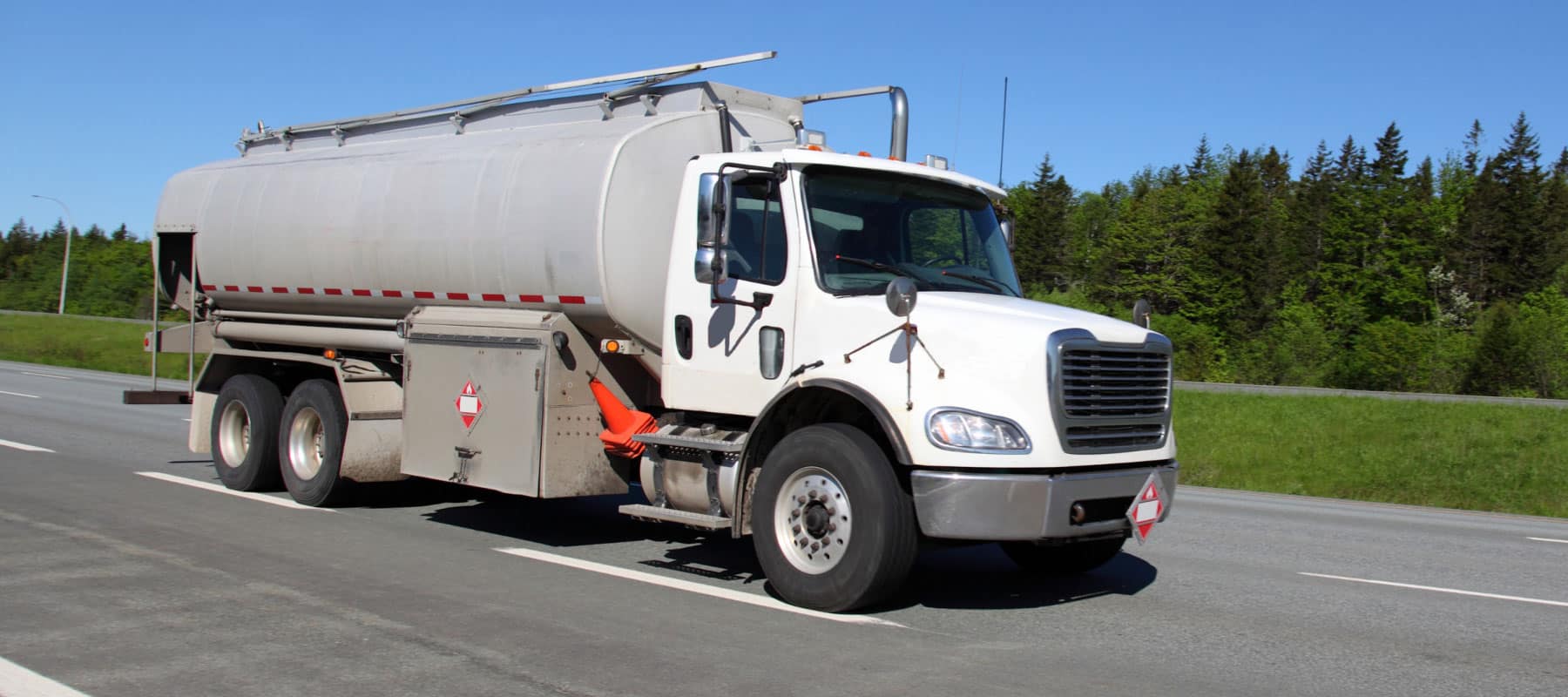
There’s often not much thought put into the Tanker trucks that travel through Houston on a daily basis; after all, they have been travelling on highways such as the 610 and 10 for quite some time now, but when a Tanker truck crashes, everything changes so drastically for you. The impact is beyond comprehension, the damage left in its wake is almost impossible to assess, and the consequences for your family will be devastating. The tanker trucks that travel along Houston streets are typically loaded with products like gasoline, chemical supply, and other materials. Sadly, when a Tanker Truck has experienced a rupture in the tank, these products can interact and combust with the elements they encounter, causing major uncontrolled fires, and the complete shutdown of highways and major thoroughfares throughout Houston. People around the area will panic; they will have no idea what they are breathing in or what has leached into the soil of where the truck crashed. If you’ve been in the presence of one of these accidents, it will make perfect sense to you to always have that feeling of shock combined with fear. It’s okay to feel that way, and know you are not alone. A personal injury attorney in Houston who is experienced with these types of Truck Accident Cases will make the biggest difference in your recovery from this tragic event and the amount of stress placed upon you over the next few years until you completely heal. Let’s discuss the most important aspects that need to be at the forefront of each and every persons’ mind after a tanker truck crash, without the legal jargon clouding your understanding.
Why Tanker Truck Accidents Hit Harder Than Regular Crashes
Tanker trucks aren’t like regular 18-wheelers. They carry liquid, which shifts inside the tank. That sloshing weight can push a truck off balance, especially on curves or ramps. That’s why you may see those warning signs telling truckers to slow down. They’re not just suggestions. Then there’s the cargo. Gasoline. Liquid nitrogen. Ammonia. Crude oil. Even milk, which you wouldn’t think of as dangerous, can spill across lanes and cause a chain reaction of wrecks. Fires are common after fuel spills. Toxic fumes can spread without warning, leaving people coughing or worse. Some drivers tell stories about seeing a tanker shake or rattle while rolling down the highway. You can almost hear the cargo shifting. That movement alone shows how fragile the balance is. This is why these cases often need lawyers who understand trucking rules, chemical hazards, and insurance traps that most folks have never heard of.
Who’s Actually at Fault? It’s Not Always the Driver
Most people assume the driver is the one to blame. Sometimes that’s true. But tanker truck cases are messy. Many hands touch that truck long before it ever hits the road.
Here are groups that might share the blame:
- The trucking company, if they pushed the driver to meet tight deadlines
- The cargo loader, if they filled the tank wrong
- The shop that handled repairs
- The company that owns the tank
- The shipper that ordered the load
You might think that sounds like too many parties, but it’s common. Tanker trucks operate in a strange mix of pressure, speed, and high-risk cargo. When one link breaks, the whole chain snaps. A lawyer who knows these cases can sort out who’s responsible, which matters because insurance companies try to dodge blame fast.
Why Houston Roads Make Tanker Crashes More Likely
If you’ve lived in Houston long enough, you know the traffic isn’t just heavy—it’s unpredictable. One minute you’re cruising at 60 mph; the next, brake lights pop up like a wall. Tanker trucks can’t stop fast, so sudden traffic is a real danger. And then there’s the heat. Summer heat makes pressure build inside tanks. Crews check for this, but not every tank gets proper testing. Chemical plants surround parts of Houston. Trucks move in and out all day long carrying volatile materials. It’s the rhythm of the city. But more traffic means more risk. It’s strange how normal tanker trucks seem until something goes wrong.
Why Victims Need a Houston Personal Injury Lawyer Early
You don’t need a lawyer because your case is “complicated.” You need one because tanker crashes bring lawyers, investigators, and insurance adjusters from the trucking side within hours. They go right to work. They collect data. They snap photos. They talk to witnesses. Victims often don’t realize this is happening until much later. By then, key evidence may be gone. Skid marks fade. Surveillance video gets deleted. Cargo logs disappear. A lawyer steps in to freeze evidence and push back against claims that try to paint the victim as careless. Many clients say they waited because they thought their injuries would heal in a week or two. But injuries from tanker wrecks include burns, lung issues, spine damage, and trauma that may not show up right away. It’s better to have someone watching your back while you focus on healing.
Damages You Can Seek After a Tanker Truck Accident
You may be able to recover:
- Medical bills
- Future care costs
- Lost income
- Pain and emotional stress
- Loss of mobility or long-term limits
- Damage to property
- Wrongful death losses (for families)
Sometimes people feel odd putting a dollar amount in pain. But the costs pile up fast. A good lawyer doesn’t treat you like a case number—they track each loss so you don’t get shortchanged.
What to Do Right After a Tanker Truck Accident
Every crash is different, but a few steps can help:
- Get medical help. Even if you feel fine.
- Move away from fumes or leaks.
- Take photos if it’s safe.
- Don’t talk to insurance adjusters without advice.
- Call a lawyer who handles tanker truck cases.
And here’s something you might not hear often: write down what you remember the same day. Small details fade. That quick note can help in the legal process more than you think.
How Lawyers Handle These Cases Behind the Scenes
People picture lawyers in court, but most work happens long before that. A local personal injury lawyer in Houston may:
- Gather crash scene data
- Review tanker specs and failure points
- Check driver logs and rest hours
- Hire experts to test samples or recreate the crash
- Work with doctors to map long-term injuries
- Negotiate with multiple insurance carriers
This process is slow at times because so many companies may be involved. But a careful approach prevents mistakes. Some firms also work with industrial safety experts or chemical engineers when a spill involves volatile materials. That’s the kind of detail that makes these cases different.
Why Houston Injury Firms Are Familiar With These Cases
Houston’s industry is tied to refineries, shipping yards, and chemical plants. So local lawyers see tanker accident cases more often than many folks realize. If you talk to Houston truck accident lawyer here, they’ll likely know which highways see the most tanker traffic, which companies ship certain chemicals, and which shortcuts drivers take to beat traffic. That kind of street-level knowledge helps more than you’d think. You might hear a lawyer say, “Yeah, that stretch of 225 gets tricky around shift change.” It sounds simple, but it shows they understand the context of your crash.
FAQs: What People Ask Most
1. How long do I have to file a tanker truck accident claim in Texas?
Most victims have two years to file. But it’s better to start early since evidence can fade fast.
2. Who pays for my medical bills after a tanker truck accident?
The liable party’s insurer usually pays, but only after a settlement or verdict. Your own health insurance may step in first.
3. Should I talk to the trucking company’s insurance adjuster?
Not without a lawyer. Adjusters often try to get statements that reduce your claim.
4. What if I don’t know what was in the tanker?
Your lawyer can get cargo records. You don’t need to figure that out alone.
5. Can I file a claim even if I was partly at fault?
Yes. Texas uses a “51 percent rule,” so you can recover if you’re less than 51 percent responsible.