Smart locks have become more than just a security upgrade; they are now vital components of the smart-home ecosystem. As technology continues to evolve, the features of smart locks must adapt to meet new challenges and expectations. Homeowners are no longer satisfied with simple keyless entry; they demand products that seamlessly integrate with other smart devices while providing robust security. This article explores the most important features to consider when choosing a smart lock in 2025. Whether you seek convenience, connectivity, or top-notch security, understanding these features will empower you to make an informed decision.
Why Smart Lock Features Are Changing in 2025
Increased expectations for smart devices
Consumers now expect their tech gadgets to do more than ever before. Smart locks are no exception, with users demanding a wide array of features that enhance convenience without compromising security. In a world where technology is omnipresent, homeowners want smart locks that offer seamless operation and integration with other devices. The need for multiple unlocking methods, better connectivity, and superior security standards is more prominent than ever.
Rapid evolution of smart-home connectivity
The smart-home landscape is transforming swiftly, driven by advancements in connectivity standards. Devices now need to communicate effortlessly using protocols like Matter, which promises interoperability across brands and platforms. This evolution means smart locks need to be more adaptable, offering users an integrated experience with their existing smart-home setup. A lock designed today must accommodate the technological progress expected in the coming years.
Key Feature #1 – Multiple Unlock Methods
Why you need more than a key
Relying solely on a traditional key is becoming obsolete. Modern smart locks offer several methods for unlocking, providing greater flexibility and convenience. These options allow homeowners to choose based on their immediate needs and preferences, enhancing security by reducing dependence on physical keys, which can be lost or stolen. More unlocking methods also mean added layers of security, ensuring only authorized access.
Comparing unlock options
The diversity of unlocking methods is vast and continues to grow. Smart locks today might include biometric options like fingerprint or facial recognition, which are fast, reliable, and difficult to spoof. Keypads with customizable codes offer another layer of access control, allowing temporary access for guests or service providers. Bluetooth and Wi-Fi connectivity enable unlocking via smartphones, adding convenience but also requiring careful consideration of digital security measures. As technology progresses, it’s essential to compare these options, understanding the blend of convenience and security each method provides.
Key Feature #2 – Connectivity & Ecosystem Integration
The importance of smart-home integration
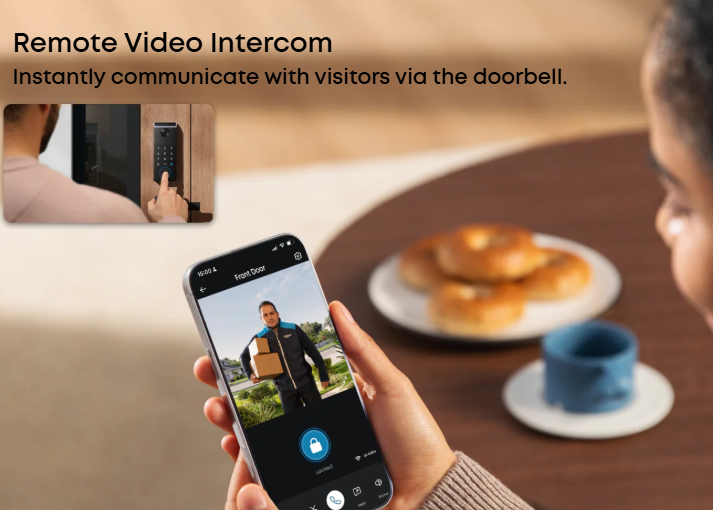
A smart lock’s value significantly increases when it integrates seamlessly with the broader smart-home system. Such integration allows for automation, like locking the door automatically when the security system activates or turning on lights upon entry. The convenience of controlling all smart devices from a single platform cannot be overstated. Locks that easily integrate into ecosystems like Google Home, Alexa, or Apple HomeKit provide enhanced utility and user satisfaction.
Why standard-based connectivity matters
Standards-based connectivity, like Matter, ensures that smart locks work across different platforms and products effortlessly. This level of interoperability is crucial, as it prevents consumers from being locked into a single brand or ecosystem, granting them freedom of choice. Moreover, adherence to connectivity standards often results in more reliable and secure communications between devices. Thus, selecting a smart lock compatible with major standards is a forward-thinking choice that offers both flexibility and future-proofing.
Key Feature #3 – Security & Certification
Physical build and durability
The physical security of a smart lock starts with its build quality. Durable materials like hardened steel and tamper-proof housings are essential to thwart physical break-in attempts. Locks should also be weather-resistant to operate efficiently across varying climatic conditions. A well-built lock not only ensures longevity but also instills confidence in its ability to protect against unauthorized access.
Firmware, encryption, and privacy
Security extends beyond the physical aspects, encompassing software features such as firmware updates, encryption protocols, and privacy measures. Smart locks should support automatic firmware updates to address any vulnerabilities promptly. Robust encryption protects communication between the lock and other devices, safeguarding against hacking attempts. Additionally, considering privacy, smart locks must comply with data protection regulations to ensure user data remains confidential.
How to Prioritize Features Based on Your Needs
Choosing a smart lock aligns with personal priorities and lifestyle. Begin by listing what matters most—convenience, security, or integration. If family access is a primary concern, opt for locks with multiple unlock methods. For tech-savvy users with diverse smart-home devices, focus on connectivity and integration capabilities. Security enthusiasts will prioritize advanced encryption and robust physical build. Balancing these features based on individual needs ensures a smart lock that perfectly fits your lifestyle.
Conclusion
As 2025 approaches, selecting a smart lock requires a keen understanding of evolving technologies and user expectations. Focus on multi-method unlocking for flexibility, prioritize integration for a unified smart home, and demand high security both in physical construction and digital interfaces. These key features empower you to choose the right smart lock, such as advanced models from eufy, ensuring a harmonious balance of safety, convenience, and technological synchronization. Your smart home begins at the door, and choosing the right lock opens up a world of possibilities.