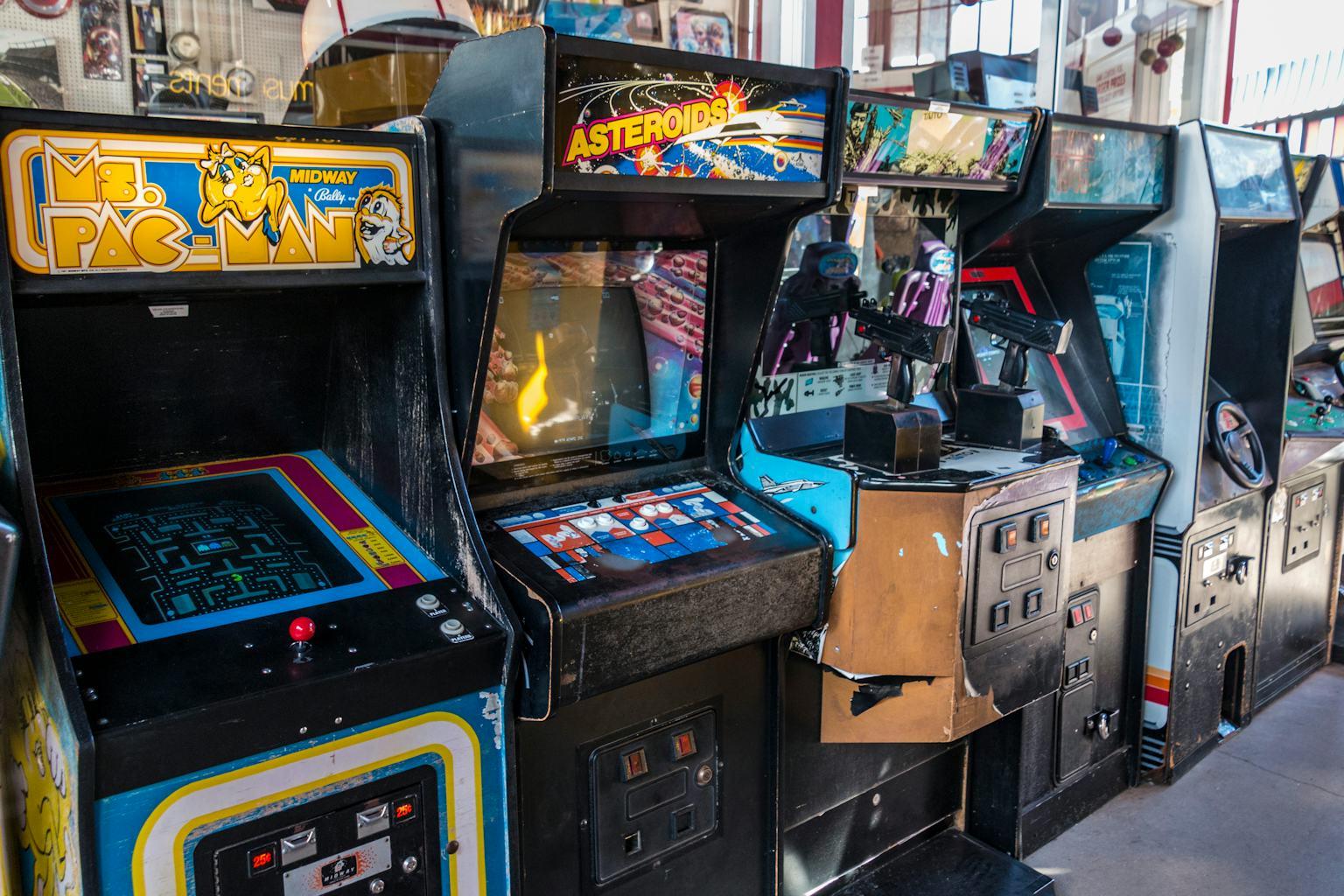
Players often find themselves returning to the same game again and again, even years after the first playthrough. There is a certain comfort in revisiting familiar mechanics, environments, and stories that feel like old friends, offering a sense of stability in a constantly changing digital world. Replaying a game offers both relaxation and stimulation, allowing players to experience nostalgia while still enjoying the challenges and surprises the game provides. This repeated engagement is not merely a matter of habit—it reflects deeper psychological mechanisms, emotional satisfaction, and the appeal of mastery, discovery, and self-reflection. By exploring the reasons behind repeated playthroughs, we can gain insight into the human desire for familiarity, control, and meaningful engagement, showing why certain games remain timeless classics.
The psychology of replaying games
One of the main reasons players revisit games is rooted in psychological reward systems. Games provide structured challenges that allow players to achieve measurable success, whether through completing objectives, earning achievements, or mastering gameplay mechanics. These successes trigger the brain’s reward pathways, releasing dopamine and reinforcing the desire to return. The anticipation of familiar rewards, combined with the potential for new experiences within the same game, creates a unique cycle of engagement. Players often find themselves subconsciously seeking that sense of accomplishment and satisfaction that first drew them into the game, creating a strong loop of motivation that reinforces repeated play.
Replaying also satisfies a desire for mastery. As players become more skilled, they notice nuances and hidden mechanics that were missed during earlier sessions. This motivates them to refine strategies, optimize performance, and experiment with different approaches to challenges. In competitive or strategy-focused games, such as first-person shooters or MOBAs, understanding maps, tactics, and timing becomes more satisfying with each repetition. Resources like the CS2 Wiki provide detailed guides and insights, enabling players to deepen their knowledge, discover hidden features, and fully engage with the game’s complex systems. By combining learning, strategy, and reward, repeated gameplay becomes both mentally stimulating and emotionally gratifying, providing players with a sense of progression and competence that is highly rewarding.
Additionally, familiarity reduces cognitive load, allowing players to relax while still feeling engaged. Returning to a known game world minimizes uncertainty and stress, making gameplay comforting while still offering opportunities for excitement and novelty. This balance between predictability and challenge taps into fundamental human needs: the desire for security and the simultaneous craving for stimulation. It also explains why players often turn to the same titles during periods of stress or uncertainty, as familiar games can provide emotional grounding while maintaining the thrill of gameplay.
Emotional connections and nostalgia
Emotions play a central role in why players enjoy revisiting games. Many games become associated with significant personal memories, such as playing with friends, discovering a genre for the first time, or experiencing memorable life events while gaming. Revisiting these games evokes nostalgia, triggering positive emotions and a sense of continuity across time. Nostalgia reinforces attachment to a game and can even provide emotional comfort during stressful or uncertain periods, offering a temporary escape into a familiar, enjoyable experience.
Story-driven games amplify this effect. Players may return to explore character arcs more deeply, revisit favorite locations, or reinterpret the narrative with new perspectives gained from personal growth or life experiences. Even subtle details, like music, visual cues, or ambient sounds, can evoke strong emotional responses, creating a personal connection that feels intimate and immersive. Multiplayer games also benefit from emotional connection: shared victories, teamwork, or memorable moments create social bonds that encourage repetition. This combination of nostalgia, emotional attachment, and social interaction transforms revisiting a familiar game into an experience that is both comforting and meaningful, enhancing the longevity of the title’s appeal.
Furthermore, emotional connections often extend to the broader cultural impact of a game. Certain titles become iconic for their narrative, design, or community, creating a shared sense of identity among players. Replaying such games reinforces these connections, providing players with both a personal and social experience that strengthens their attachment to the title and encourages long-term engagement.
Discovery and exploration within repetition
Replaying games is not just about familiarity—it also satisfies curiosity and the innate human drive for exploration. Many titles contain hidden secrets, alternate paths, or multiple endings that players may have missed during previous playthroughs. Revisiting a game provides opportunities to uncover these elements, turning repetition into a meaningful exploration rather than mere routine. Games that support multiple strategies, character builds, or playstyles encourage players to experiment and approach challenges differently, enhancing creativity, adaptability, and engagement.
Role-playing games, open-world adventures, and strategy titles particularly benefit from this replay value. Players can explore different storylines, decisions, or tactics, creating unique experiences that reveal new aspects of the game’s world and mechanics. This sense of discovery maintains a feeling of novelty, even in a familiar environment, and rewards players with the excitement of uncovering secrets that may have eluded them before.
Moreover, replaying games can offer insight into personal growth. Players often notice how their decision-making, strategy, and approach to challenges change over time, reflecting both improved skills and emotional development. This self-awareness adds depth to the experience, as repetition becomes a lens for evaluating personal progress, rather than simply reliving old content. Players learn more about their preferences, tendencies, and decision-making patterns, making repeated play a form of introspection and personal reflection.
The role of challenge and mastery

Games are designed to provide challenges that test skill, timing, and strategy. Replaying allows players to refine techniques, optimize outcomes, and approach familiar obstacles with improved efficiency. Mastery is a powerful motivator, as players derive satisfaction not only from completing tasks but from achieving them with greater skill, precision, and understanding.
In competitive games, such as tactical shooters, MOBAs, or strategic simulations, understanding mechanics, strategies, and evolving game meta is essential. Each repetition offers players the chance to improve, experiment with new tactics, and push their abilities to higher levels. Community resources, guides, and wikis—like the CS2 Wiki —further enhance mastery potential by providing detailed analyses, tips, and hidden insights that players might not discover alone. This combination of personal growth, challenge, and community knowledge ensures that games remain engaging, even after many playthroughs.
Replay also reinforces the psychological concept of flow. By returning to familiar games, players can more easily achieve a state of immersion, balancing skill and challenge in a way that is deeply rewarding. Flow experiences provide mental stimulation, satisfaction, and focus, making repeated gameplay not only enjoyable but psychologically beneficial. This immersive state is a key factor explaining why some games remain favorites for years, providing a continuously satisfying experience even when content is familiar.
Conclusion
Players return to the same games repeatedly because they provide a combination of emotional satisfaction, cognitive challenge, social connection, and opportunities for mastery and discovery. Familiarity offers comfort, while replay allows for growth, experimentation, and deeper understanding of game mechanics, narratives, and strategies. Emotional attachment, nostalgia, and shared social experiences further reinforce the desire to revisit beloved titles, transforming repeated play into an enriching and rewarding experience.
By balancing predictability with new challenges and discoveries, games maintain a unique appeal across multiple playthroughs. Community resources like the CS2 Wiki enhance this experience, enabling players to deepen mastery, uncover hidden features, and gain insights into strategies they may not have previously explored. Ultimately, replaying games satisfies the human need for achievement, emotional exploration, and personal reflection, ensuring that even familiar titles continue to captivate players for years. This combination of psychological, emotional, and cognitive factors explains why certain games remain timeless and why returning to them is both enjoyable and personally fulfilling.